African ancestry across eight reference populations
Premium · Ancestry report
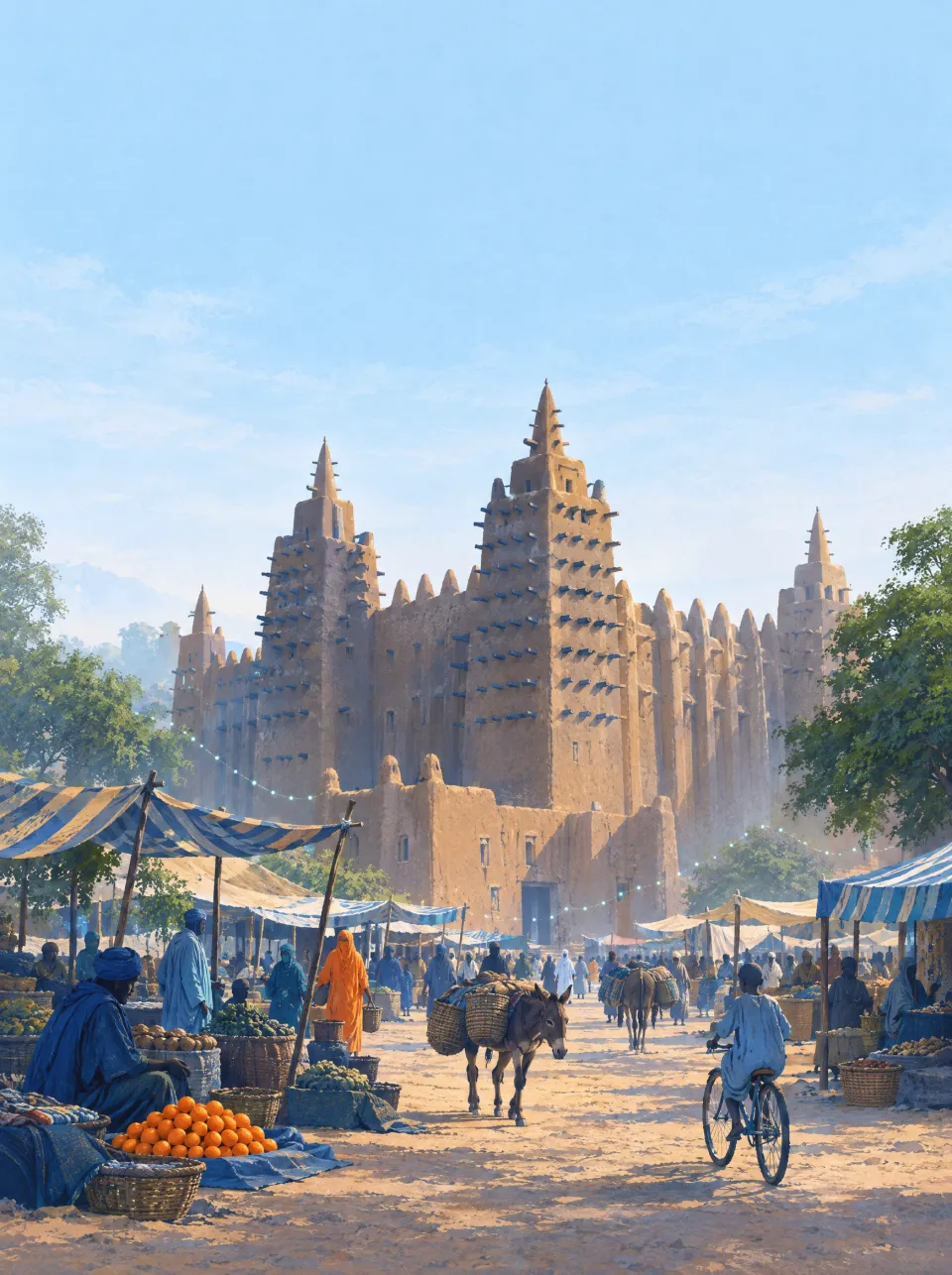
Africa holds the deepest genetic diversity on Earth. The African Breakdown report resolves African ancestry across eight reference populations instead of one broad label.
It shows your closest region, every region tested and the markers that are enriched in each.
For people of the African diaspora, results often span several regions.
Premium: 50 credits per DNA profile (regular price 100 credits).
What this report looks at
- A 52-marker AIM panel calibrated to continental and sub-Saharan genomics, including Tishkoff 2009 and Schlebusch 2020.
- Eight reference populations: West African (Niger-Congo), Central African Bantu, East African Cushitic, East African Nilotic, Southern African Khoe-San, North African Berber (Amazigh), Central African Rainforest (Pygmy) and Horn of Africa Ethio-Semitic.
- Notable markers: Duffy-null (rs2814778), HbS sickle (rs334), APOL1 G1, East African lactase persistence, SLC24A5 and G6PD A-.
- Panel coverage shown with each result.
How it works
Your DNA is compared with ancestry informative markers from West, East, Central, North and Southern African populations. Proportions are estimated with non-negative least squares, a standard way to fit a mix of reference populations to your genotypes. Affinity scores are rescaled from 0 to 100 across the panel.
Coverage is reported. GeneHealth works from the raw data file you already have from 23andMe, AncestryDNA, MyHeritage and other common providers.
Africa is genetically diverse, so the panel covers West, Central, East, North and Southern African groups, including Khoe-San and rainforest populations at deep branches of the human tree.
What you get
- Your closest region, with its affinity percentage.
- Every African region tested.
- Variants enriched in African regions.
- Notable markers such as Duffy-null, HbS and APOL1, with your genotype.
Limitations
- The result shows genetic affinity, not a direct genealogical claim. African diaspora heritage often spans several regions because of the wide geographic origin of the slave trades.
- Africa holds the deepest genetic splits, so a panel of about 50 markers resolves broad components better than fine sub-populations.
- Some markers shown, such as HbS, APOL1 and G6PD, have health relevance. This is not a medical test, so discuss any concern with a doctor.
Sources
- The genetic structure and history of Africans and African Americans. Science, 2009. PubMed PMID 19407144.
- Hunter-gatherer genomic diversity suggests a southern African origin for modern humans. Proc Natl Acad Sci U S A, 2011. PubMed PMID 21383195.
- Admixture into and within sub-Saharan Africa. Elife, 2016. PubMed PMID 27324836.
- Khoe-San Genomes Reveal Unique Variation and Confirm the Deepest Population Divergence in Homo sapiens. Mol Biol Evol, 2020. PubMed PMID 32697301.
Frequently asked questions
Can it find my specific ethnic group or country?
Not precisely. It shows affinity to eight regional reference populations, and fine detail is limited.
Why are health markers like sickle cell included?
They differ in frequency between regions, so they help with ancestry. They are not a health screen.
Why do diaspora results span several regions?
Enslaved people were taken from a wide range of places, so ancestry can combine many regions.
Which file do I need?
A raw data file from a common provider.
What are Khoe-San populations?
Indigenous peoples of Southern Africa. They form one of the reference groups in the panel.
Create a free account · Browse all DNA reports · How to download your raw DNA data